
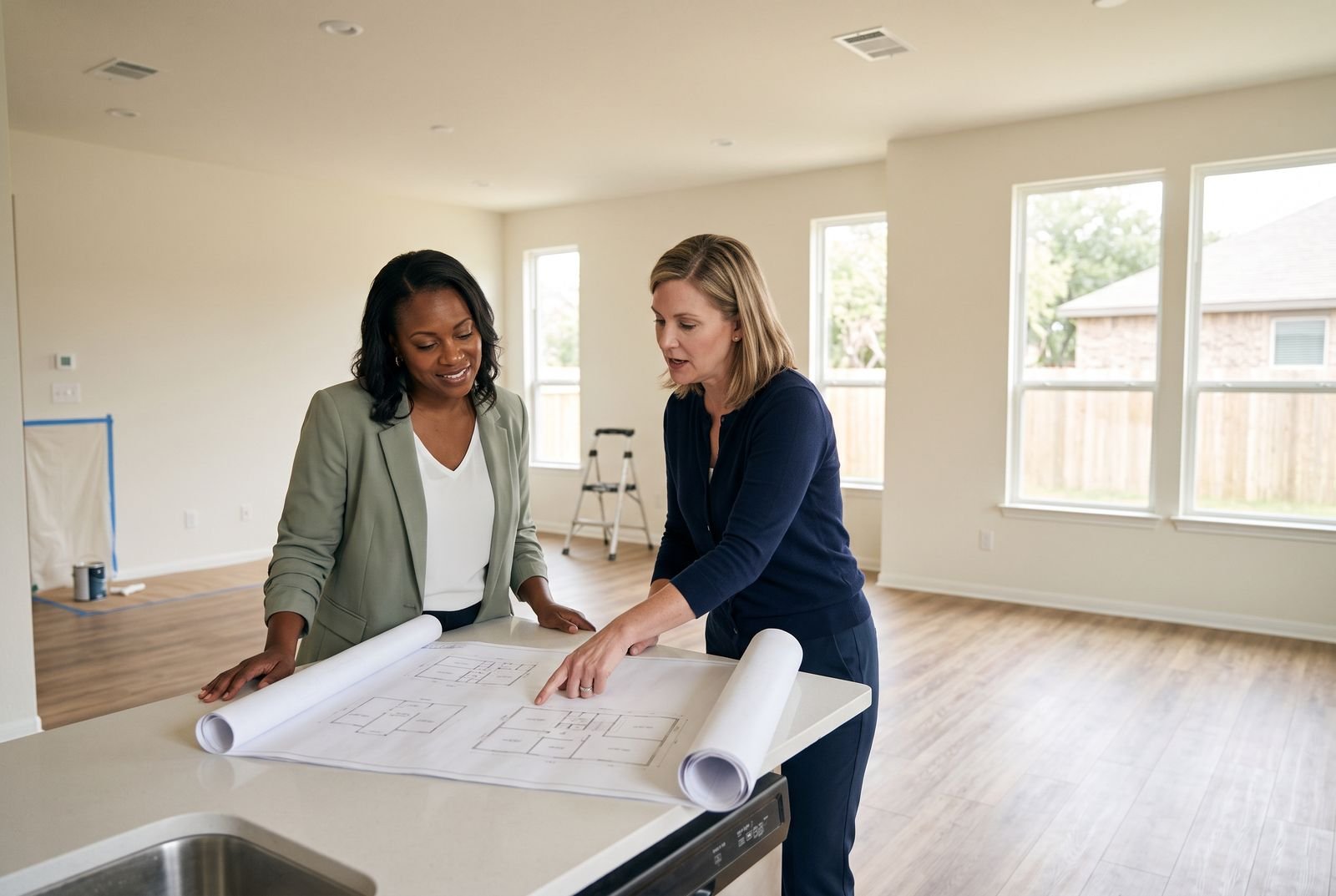
Opening a residential care home starts with a clear plan
Opening a residential care home — a small assisted living home in a residential neighborhood — is one of the most meaningful ways to serve older adults in your community. It also involves many decisions that are hard to undo later: which property to use, which type of license fits the residents you want to serve, how you will staff the home day and night, and what written policies and records you need before your first resident moves in.
Care Home Association offers paid startup consulting for people planning to open a residential care home in Dallas–Fort Worth and across North Texas. Founder Alice Marie Lang works with prospective owners to turn the idea into an organized, step-by-step plan, with each engagement tailored to your goals, timeline and the amount of support you want.
Is startup consulting right for you?
Startup consulting is a good fit if you are
- A caregiver, nurse or care professional ready to own a home of your own
- An entrepreneur or investor exploring the residential assisted living model
- A family considering turning a property into a licensed care home
- A home care or senior services business owner adding residential care
- An owner preparing to relocate or take over an existing home
Already open?
If your home is already operating, operations guidance is usually the better starting point.
What startup consulting can cover
Every engagement is shaped around your plans. Depending on the scope you choose, consulting can include:
Startup roadmap
A clear list of the steps, decisions and documents involved in opening, in a sensible order, so nothing important is forgotten.
Choosing your license type
Talking through Type A and Type B assisted living in Texas and how the choice affects the residents you serve, staffing and the building.
Property and layout considerations
Questions to ask about a home’s layout, accessibility, bedrooms, bathrooms and safety features before you commit to it.
Policies and procedures
Planning the written policies your home will need — resident care, employee policies, infection prevention, emergencies, resident rights, admission and discharge.
Staffing and hiring plan
Thinking through day and overnight coverage, roles, hiring packets, onboarding and caregiver training.
Documentation and forms
Setting up admission packets, medication records, incident reports and daily documentation from day one.
Budget and operations planning
Organizing startup and ongoing costs, routines and processes so the home can run smoothly after opening.
Opening readiness
A practical review of what still needs to be done before inspections and before your first resident moves in.
Texas assisted living basics to understand early
In Texas, a home that provides personal care services to residents is generally licensed as an assisted living facility by Texas Health and Human Services (HHSC). That usually applies even to a small residential home with only a few residents. Understanding the basics early helps you make better decisions about property, staffing and budget.
Type A and Type B facilities
- Type A — residents who do not require routine staff attendance during sleeping hours and are able to follow directions in an emergency.
- Type B — residents who may need staff help to evacuate, may not be able to follow directions in an emergency, and may need attendance during nighttime hours.
The licensing process at a glance
According to HHSC, becoming an assisted living provider generally involves:
- Completing the required pre-survey, computer-based training
- Submitting an application through HHSC’s online licensing system, with required documents and fees
- Providing an approved fire marshal inspection and confirming the building meets applicable requirements
- Passing a Life Safety Code inspection and a health inspection
Homes that plan to provide specialized memory care may also need to consider Alzheimer’s certification, and local city rules — such as zoning and occupancy requirements — can apply as well. Requirements and fees change, so always confirm the current rules directly with HHSC and your city. For a longer overview, read How to Open a Residential Care Home in Texas.
How a startup consulting engagement works
Tell us about your plans
Share where you are in the process, the type of home you envision and the North Texas communities you want to serve.
Agree on scope and quote
We outline the support that fits your needs and provide a customized quote. Members receive reduced pricing.
Work through your plan
Get guidance on planning, licensing preparation, policies, operations and staff resources as you prepare to open.
What you’ll walk away with
Depending on the scope you choose, owners typically finish startup consulting with a clearer understanding of the Texas licensing path, an organized startup checklist, a plan for staffing and documentation, and a list of the policies and forms the home will need. Ready-made policies, forms and manuals and training materials are available separately.
Startup consulting pricing
Startup consulting is a paid service, priced separately from membership. Care Home Association members receive reduced pricing on consulting and resources. Contact us for a customized quote.
Consulting and resources support your preparation. They are not a guarantee of licensing approval or regulatory compliance; licensing decisions are made by Texas HHSC.
Startup consulting questions
Do I need a license to open a residential care home in Texas?
In most cases, yes. A home that provides personal care services to residents is generally required to be licensed as an assisted living facility by Texas Health and Human Services (HHSC), even when it serves only a small number of residents. Confirm your specific situation directly with HHSC.
Should I apply for a Type A or Type B license?
It depends on the residents you plan to serve. Type A facilities serve residents who can follow directions in an emergency and do not need routine attendance while sleeping. Type B facilities serve residents who may need help to evacuate, may not be able to follow emergency directions, or need attendance at night. The choice affects building, staffing and admission decisions, which is why it is one of the first topics we cover in startup consulting.
How long does it take to open a residential care home?
Timelines vary with the property, the license type, how prepared your documents are, inspection scheduling and local requirements. A consulting engagement helps you build a realistic timeline for your situation, but we can’t promise a specific opening date.
Will startup consulting guarantee my license is approved?
No. Licensing decisions are made by Texas HHSC. Consulting and resources support your preparation and help you stay organized, but they are not a guarantee of licensing approval or regulatory compliance.
Is startup consulting included in membership?
No. Startup consulting is a paid service priced separately from membership. Care Home Association members receive reduced pricing.